









The fascinating metabolism of sighthounds revealed: A powerhouse on 4 paws
Overview:
Sighthounds - their slim body shape and fast metabolism make them exceptional athletes who require special care and attention. In this article, we will take an in-depth look at the metabolism of sighthounds and the influence of their slim body shape on their health and performance. We will examine the specific needs of this breed regarding nutrition and training, including the role of genetics. Furthermore, we will address possible health risks and metabolic problems in sighthounds and provide tips to improve their metabolism. To offer a comprehensive overview, we will also present case studies comparing the metabolism of sighthounds with that of other dog breeds. Our goal is to provide you, as a sighthound owner or enthusiast, with a deeper understanding of the needs and characteristics of this fascinating breed. With well-founded knowledge and proven strategies, you can help your sighthound lead a long, healthy, and happy life. So, let's dive together into the fascinating world of the sighthound metabolism.
1. The Characteristics of the Sighthound Metabolism
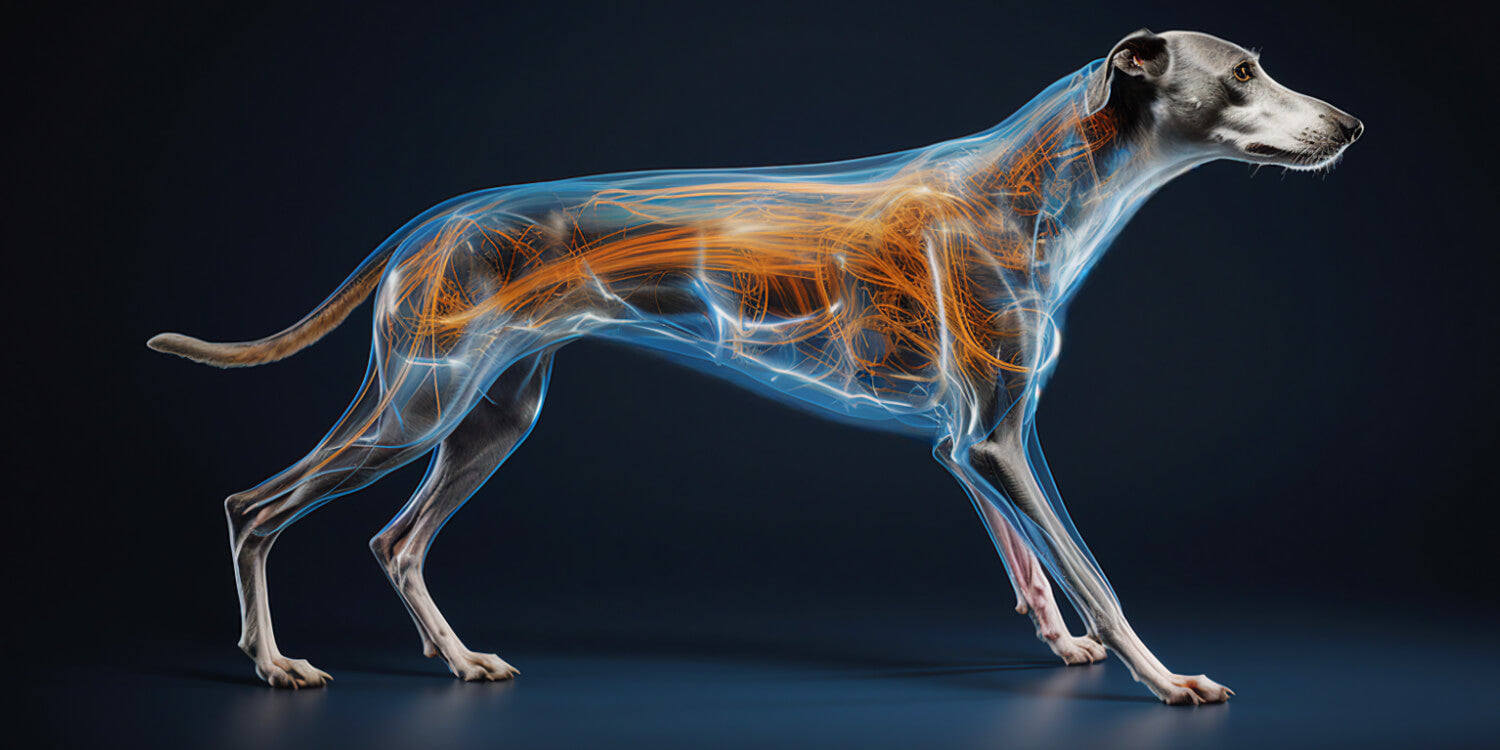
Sighthounds are known for their slim body shape and their ability to reach high speeds. This is partly due to their unique metabolism. Compared to other dog breeds, sighthounds have a higher basal metabolic rate, which means they burn more calories even when at rest. Additionally, they are able to use their energy more efficiently, which helps them maintain their speed and endurance.
Some of the characteristics of the sighthound metabolism are:
- Efficient fat burning: Sighthounds are able to burn fat more efficiently than other dog breeds. This allows them to run longer without tiring.
- Fast recovery: After training or racing, sighthounds recover faster than other dog breeds. This is due to their ability to process lactate more efficiently, a byproduct produced during intense physical activity.
- Solid protein requirement: Due to their high basal metabolic rate, sighthounds need more protein in their diet than other dog breeds. This helps them maintain muscle mass and improve their performance.
2. Influence of the Slim Body Shape on the Metabolism of Sighthounds
The slim body shape of sighthounds has a significant impact on their metabolism. Their lean and muscular structure allows them to move at high speeds, which requires a high energy consumption. Therefore, sighthounds have a higher metabolism compared to other dog breeds. This means they burn more calories even when at rest.
To illustrate this, let's look at the following comparison chart showing the metabolism of sighthounds and other dog breeds:

This chart shows that sighthounds burn more calories than other dog breeds. This is due to their slim body shape and active lifestyle. Therefore, sighthounds require a special diet to meet their high energy needs.
3. Nutrition and Metabolism: What Sighthounds Need
 It is essential to understand the specific nutritional needs of sighthounds to ensure their optimal health and performance. A sufficient protein content in their food is crucial, as they have a fast metabolism and therefore require more energy. Additionally, they need a balanced mix of carbohydrates and fats to maintain their energy. Here is a brief checklist for feeding your sighthound: 1. Healthy protein content, 2. Balanced fats and carbohydrates, 3. Adequate hydration, 4. Regular feeding times. It is also important to control portion sizes to avoid excessive weight gain or loss. Finally, your sighthound's diet should always be complemented with regular exercise and sufficient rest periods.
4. Training and Metabolism: Optimal Exercises for Sighthounds
Effective training for sighthounds requires careful planning and execution. The high metabolic rate of these dogs means they need a constant energy source to maintain their performance. Therefore, it is important to design their diet and training to meet their energy needs while maintaining their athletic, physical predisposition.
Choosing the right exercises for sighthounds can make a big difference in their health and performance. Here are some exercises that are especially suitable for sighthounds:
- Running: Sighthounds are known for their speed and endurance. Regular running training helps strengthen their muscles and improve their stamina.
- Swimming: This is an excellent exercise for sighthounds as it works the whole body while protecting the joints.
- Agility training: This training improves the dogs' agility and coordination and is a good way to promote their mental and physical fitness.
It is important to tailor the training to your dog's individual needs, abilities, and health condition. The intensity and duration of training should be increased gradually to avoid overexertion and injuries. Remember that a balanced diet and sufficient rest are just as important as the training itself to ensure your sighthound's health and well-being.
5. Health Risks and Metabolic Problems in Sighthounds
Despite their impressive speed and endurance, sighthounds are prone to certain health risks and metabolic problems. Their slim body shape and low body fat make them sensitive to extreme temperatures and require a special diet to meet their high energy needs. Additionally, due to their genetic predisposition, they can be susceptible to certain diseases, including osteosarcoma, a form of bone cancer, and Greyhound polyneuropathy, a rare neurological disorder.
Another issue that can occur in sighthounds is a metabolic disorder called hypothyroidism. This condition, caused by a deficiency of thyroid hormones, can lead to a variety of symptoms, including weight gain, hair loss, skin problems, and lethargy. Although hypothyroidism is less common in sighthounds than in other breeds, it is important to watch for signs of this condition and have it treated if necessary.
Regarding the prevention of health risks and metabolic problems in sighthounds, a balanced diet is crucial. A balanced diet full of high-quality, healthy proteins and nutritious, rich fats can effectively support their metabolism and promote their overall robust health. Furthermore, it is important to schedule regular veterinary visits if abnormalities occur to detect and treat potential health problems early. In conclusion, despite potential health risks and metabolic problems, sighthounds are a very robust and health-stable dog breed. Sighthounds are more resilient than many might assume.
6. The Role of Genetics in the Metabolism of Sighthounds

Research has shown that genetics play a crucial role in the metabolism of sighthounds. Their unique genetic makeup allows them to use energy efficiently and run fast. This ability is the result of generations of natural and evolutionary selection focused on speed and endurance for survival. Furthermore, genetics also influence the slim body shape of these dogs. They tend to have less body fat and more muscle mass compared to other dog breeds. This contributes to their ability to reach high speeds and cover long distances. In summary, genetics have a significant impact on the metabolism and body shape of sighthounds and explain their remarkable abilities for high performance.
7. Metabolism Boosters: Tips to Improve the Sighthound Metabolism

Improving a sighthound's metabolism requires careful consideration and planning. Nutrition plays a crucial role and should be rich in whole proteins and, not to forget, healthy fats to meet energy needs and support metabolism. Regular exercise is also important to stimulate metabolism and promote overall health. Additionally, supplementation with certain nutrients, such as omega-3 fatty acids and antioxidants, can help optimize metabolism and improve the sighthound's health. In conclusion, a balanced diet and regular exercise in nature are the keys to improving your sighthound's metabolism.
8. Case Studies: Metabolism of Sighthounds Compared to Other Dog Breeds
In the context of veterinary medicine and animal nutrition, the metabolism of sighthounds plays a remarkable role. This special dog breed has a unique metabolism that sets them apart from other dog breeds. Sighthounds have a higher metabolism associated with their slim body shape and their need for intense physical activity. This high metabolism allows them to process food more efficiently and burn energy faster than other dog breeds.
The metabolic rate of sighthounds also affects their nutritional needs. Compared to other dog breeds, sighthounds require food rich in proteins, fats, and calories to meet their energy demands. Additionally, due to their fast metabolism, they occasionally need more frequent meals.
Frequently Asked Questions
How does age affect the metabolism of sighthounds?
As with all dog breeds, the metabolism of sighthounds slows down with age. This means older sighthounds need fewer calories than younger ones. It is important to adjust diet and training accordingly to avoid overweight or underweight and related health problems.How does neutering affect the metabolism of sighthounds?
Neutering can slow down the metabolism of sighthounds and lead to weight gain. It is important to adjust diet and training after neutering to maintain ideal weight.Can sighthounds suffer from metabolic diseases?
Yes, sighthounds can suffer from various metabolic diseases, including diabetes and thyroid problems. It is important to schedule a veterinary visit if abnormalities occur to detect and treat these conditions early.How can I tell if my sighthound has a healthy metabolism?
A healthy metabolism in a sighthound is shown by an ideal body weight, good energy levels, and healthy skin and coat. If you have concerns about your sighthound's metabolism, you should consult a veterinarian experienced with sighthounds.Can diet affect my sighthound’s metabolism?
Yes, diet plays a crucial role in your sighthound’s metabolism. A balanced diet with the right ratio of proteins, fats, and thus high-quality calories can help optimize metabolism and maintain your dog’s health.

Leave a comment