









Echoes of the Past: The History and Naming of Whippets
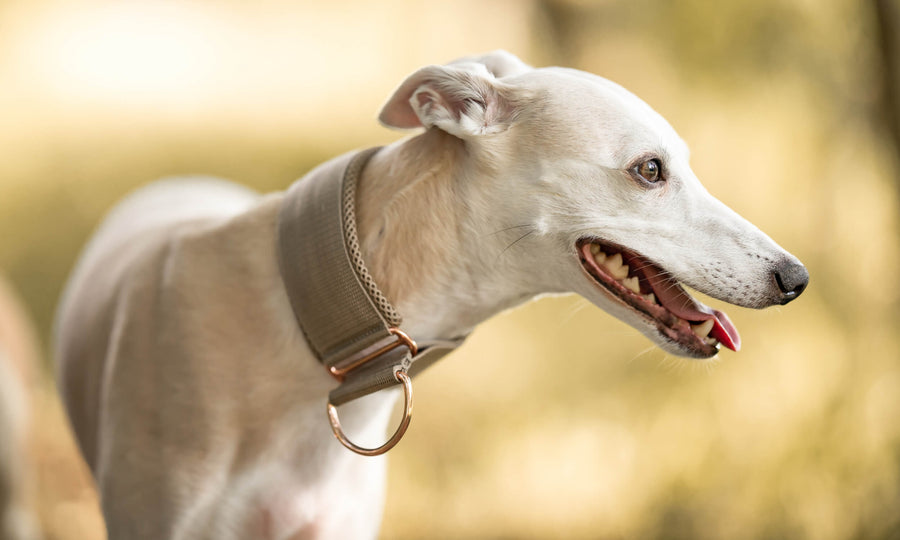
The Whippet, a true star in the world of Sighthounds, captivates with its elegant appearance and impressive speed. Originally bred for hunting, it has transformed into a popular family dog. With its slim physique and athletic performance, it is a real eye-catcher on the field. Yet at home, it surprises with a calm, loving nature. This combination of grace and strong character makes it an ideal companion for sports enthusiasts and families. Its versatility and adaptability have earned it worldwide recognition.
After this look at the Whippet’s current popularity, we now dive into the fascinating history of this breed and explore the Whippet’s historical roots.
Origin of the Whippet in England
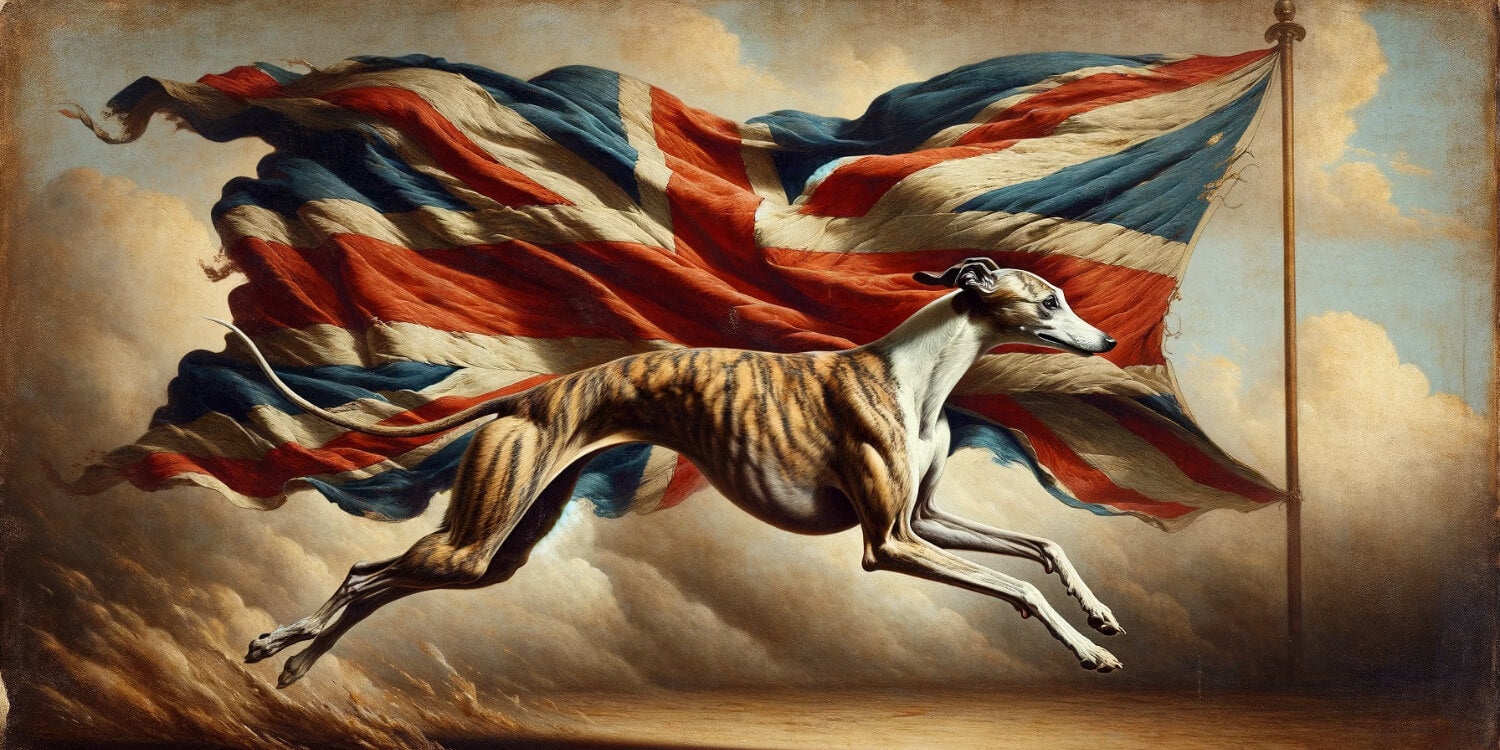
The history of the Whippet is closely intertwined with English culture. As one of the most elegant and fastest dog breeds, the Whippet originated in England. The development of this breed not only reflects a deep connection to English tradition but also shows the close relationship between humans and dogs throughout history.
Medieval Mentions in England
In medieval England, dogs resembling today’s Whippet were already known and popular. They were characterized by several distinctive features:
-
Small and fast hunting dogs: They were often used for hunting small game like rabbits and hares. Their speed and agility made them effective hunters.
-
Popular across social classes: These dogs were loved not only by nobility but also by rural populations. This shows their broad acceptance across different social strata. It’s no coincidence that the Whippet was also called the “racehorse of the common man.”
-
Early cultural role: Their mention in literary and artistic works highlights their importance in medieval English society. Thus, the Whippet was valued not only as a working animal but also as part of cultural identity.

Development of the Breed in the Midlands and Northern England
The actual development of the Whippet as we know it today took place mainly in the heart of England, in the Midlands and Northern England:
-
Industrial Revolution: With the rise of the industrial revolution and increasing urbanization, people’s living conditions and needs changed, which affected dog breeding. This greatly fueled the popularity of the Whippet.
-
Adaptation to urban environments: Its size and speed made it ideal for hunting in smaller, more urban areas, as cities attracted more wild animals due to their waste.
-
Working class as breeders: Especially miners and workers discovered their passion for breeding this breed. They valued speed and agility to optimize the dogs for both hunting and sporting competitions.

Transition from Hunting to Racing Purposes
Over time, the role of the Whippet changed from a hunting dog to a dog for racing purposes:
-
From hunter to racing dog: The Whippet’s ability to reach high speeds made it ideal for dog racing, which provided the working class with additional betting income.
-
Popularity of dog sports: Whippet races became very popular especially among the working class. They became a symbol of sporting competition and community spirit.
-
Selective breeding: To meet the demands of racing, breeders began to selectively breed for traits like speed and endurance.
The Whippet is thus more than just a dog – it is a symbol of the adaptability and versatility that dog breeds can show over time. Its development from a medieval hunting dog to a modern racing and family dog shows how much our relationship with dogs has changed over the centuries. Stay tuned to learn more about this fascinating breed and its unique history! Of course, from an animal welfare perspective, this no longer fits the spirit of the times, but it is mentioned because it belongs to the history & identity of these wonderful dogs.
The Naming of the Whippet

The Origin & Meaning of the Word "Whippet"
The origin of the name “Whippet” is an interesting piece of dog history that still sparks discussions and speculation today. There are two main theories about the name’s origin:
-
“Whip” theory: Some sources speculate that the name derives from the English word “whip,” meaning “whip.” This could refer to the breed’s slim, whip-like body, especially its thin, fast tail.
-
“Whappet” theory: Another theory suggests the name comes from “whappet,” an old English term spoken roughly from 450 to 1150 AD, meaning a small dog. This term could allude to the Whippet’s size and lively nature. However, there is no clear historical evidence to establish a direct connection.
In general, many English words and breed names have roots in older language forms or dialects, but the exact origin of such terms can often only be determined through detailed linguistic and historical research. It is likely even a combination of both assumptions.
Historical Use of the Name for Small, Fast Dogs
Historically, the term “Whippet” was initially used more generally for various types of small, fast dogs:
-
Broad usage: In the 17th and 18th centuries, “Whippet” referred to various dog breeds known for their speed and agility.
-
Popularity in hunting: These dogs, generally called “Whippets,” were often used for hunting small animals where their speed was especially advantageous.
The Name’s Evolution and Its Meaning Today
Over time, the name “Whippet” evolved from a general term to a specific breed name:
-
Recognition as a distinct breed: In the late 19th century, the Whippet was officially recognized as a distinct breed by the British Kennel Club , especially due to the popularity of dog racing.
-
Current identity: Today, the name “Whippet” clearly refers to the well-known dog breed famous for its elegant appearance, exceptional speed, and friendly nature.
The history of the name “Whippet” reflects the breed’s development from a general category of small, fast dogs to a highly valued and clearly defined breed. Both the theory linking the name to “whip” and the speculation that it derives from “whappet” highlight the Whippet’s characteristic traits: its speed, agility, and compact size. Exploring the name “Whippet” evokes a certain nostalgia, reminding us of the long and diverse history of this extraordinary breed, deeply rooted in the past and known only to the Whippet itself.








Leave a comment